While the feature films discussed in class are examples of melodrama, another popular genre was comedy. This weeks screening encapsulates three of the leading silent comedians of the era:
Charlie Chaplin,
Buster Keaton, and
Harold Lloyd. In the essence of time, the films by Chaplin and Keaton are short films and Lloyd's a feature film. It is important to note that Chaplin and Keaton also produced feature films and all three were very hands-on with their productions whether they are credited as director or not. These comedies, like the melodramas, provide entertainment as well as a window on life during that time.
You should notice a connection between these comedians and later comics such as Jerry Lewis and Jim Carrey. Pay attention to the intricate visuals of these films since they are paramount to the successful completion of the gags. Also of importance is the way in which each of these silent comedians honed their skills and cultivated distinctive personas that made them famous. Chaplin, Keaton, and Lloyd were all very aware of the roles they were playing and very protective of their work, especially Lloyd (who witheld his work for decades).
Suggested Supplemental Screenings: SHOULDER ARMS (Chaplin, 1918), THE KID (Chaplin, 1921), CITY LIGHTS (Chaplin, 1931), MODERN TIMES (Chaplin, 1936), SHERLOCK JR. (Keaton, 1924), GO WEST (Keaton, 1925), THE GENERAL (Keaton, 1926), STEAMBOAT BILL JR. (Keaton, 1928),
GRANDMA'S BOY (Lloyd, 1922), and GIRL SHY (Lloyd, 1924)
Chaplin and Keaton appear together in LIMELIGHT (1952). We will watch Chaplin's THE GREAT DICTATOR (1940) at the end of the semester.
Surprisingly a new
Charlie Chaplin film was recently discovered through ebay when a man purchased a film canister labeled "an old film," which turned out to be CHARLIE CHAPLIN IN ZEPPED, a 1916 World War I propoganda film that was considered lost.
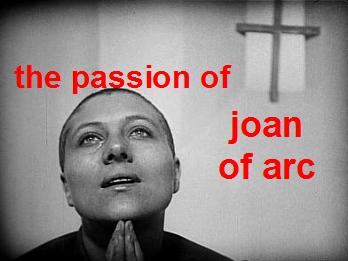
.jpg) Directed by master filmmaker Yasujiro Ozu, I WAS BORN, BUT ... (1932) is a story about two brothers, who loose faith when they see their father bowing to his boss. The boys suddenly realize that their father may not be the hero they imagined him to be, he may simply be human. True to Ozu's oeuvre, the film is simple yet complex, the static camera allows for the characters to reveal themselves. Note the distance of the camera in comparison to Deyer's camera in THE PASSION OF JOAN OF ARC.
Directed by master filmmaker Yasujiro Ozu, I WAS BORN, BUT ... (1932) is a story about two brothers, who loose faith when they see their father bowing to his boss. The boys suddenly realize that their father may not be the hero they imagined him to be, he may simply be human. True to Ozu's oeuvre, the film is simple yet complex, the static camera allows for the characters to reveal themselves. Note the distance of the camera in comparison to Deyer's camera in THE PASSION OF JOAN OF ARC.